Video Part 1 — Origin

Predictable
Execution. Built
Different.

Most frac jobs don't fall apart because of one big failure. They tend to drift.

Small planning gaps stack up. Decisions made weeks earlier start creating friction. Crews end up solving problems that could have been engineered out before the job ever started.

That's the gap we built Total Frac Solutions to close.

00:00 / 02:18Chapter 01
The Gap

If this sounds familiar

Step 01

Before your next pad, take a look at the plan.

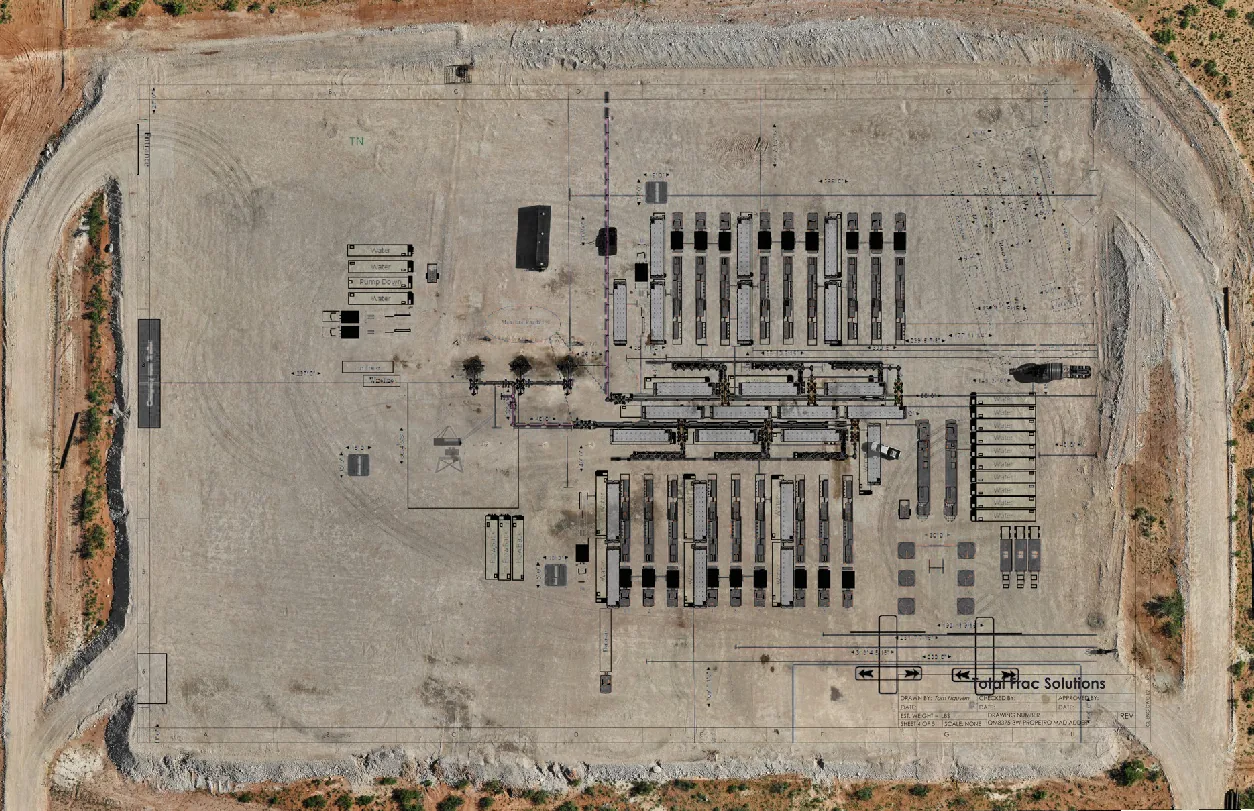
We review your layout the way the job will actually run

  • Where pressure control sits
  • How the equipment flows
  • Where spacing creates problems once the job starts moving

The honest questions

Do we know where the bottlenecks are?

Or are you hoping the field sorts it out?

We'll look at your pad and show you where friction shows up — before it costs you.

Get a pad review

Pads are bigger. Timelines are tighter. Margins for error disappear fast.

Method

How we
approach a pad.

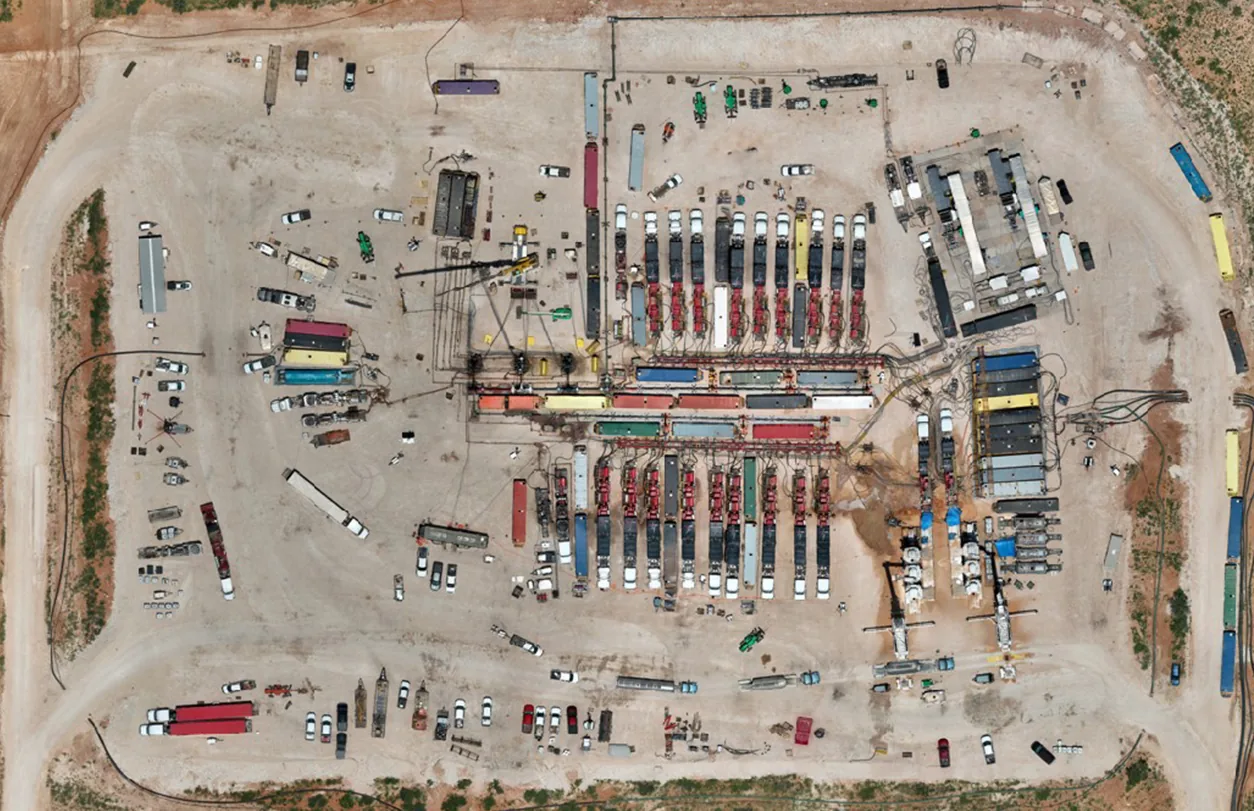
Before a frac job starts, dozens of small decisions shape how smoothly it will run.

  • Pad layout
  • Pressure control placement
  • Equipment spacing
  • How vendors interact once pumping begins

Most of the industry sorts these things out in the field.

We don't.

Our team reviews the entire system — pressure control, frac iron, pump lines, and pad flow — so friction points get engineered out before the job ever begins.

It takes more time up front. But it keeps crews pumping when the job is live.

The Call

What happens
on the call.

No pressure. No sales pitch.

We pull up your pad layout and walk through the job.

Sometimes everything looks solid. Sometimes we find things that save you headaches later.

Either way, you walk away with a clearer picture of the job.

2.5M+
Stages Completed
99.4%
Equipment Reliability
0
Lost-Time Incidents
Video Part 2 — Solution
00:00 / 03:42
Case Study

Here's what happens when the system is built right.

The best jobs aren't the ones that recover quickly. They're the ones that never needed to.

A customer came to us with a challenge no one had pulled off before.

"Keep us pumping 24 hours a day for seven days straight."

At the time, the industry standard was closer to 18–20 hours a day. Uptime like that doesn't come from one company or one piece of equipment.

It takes multiple service teams working in sync — pressure pumping, frac iron, pressure control, and operations planning all moving together.

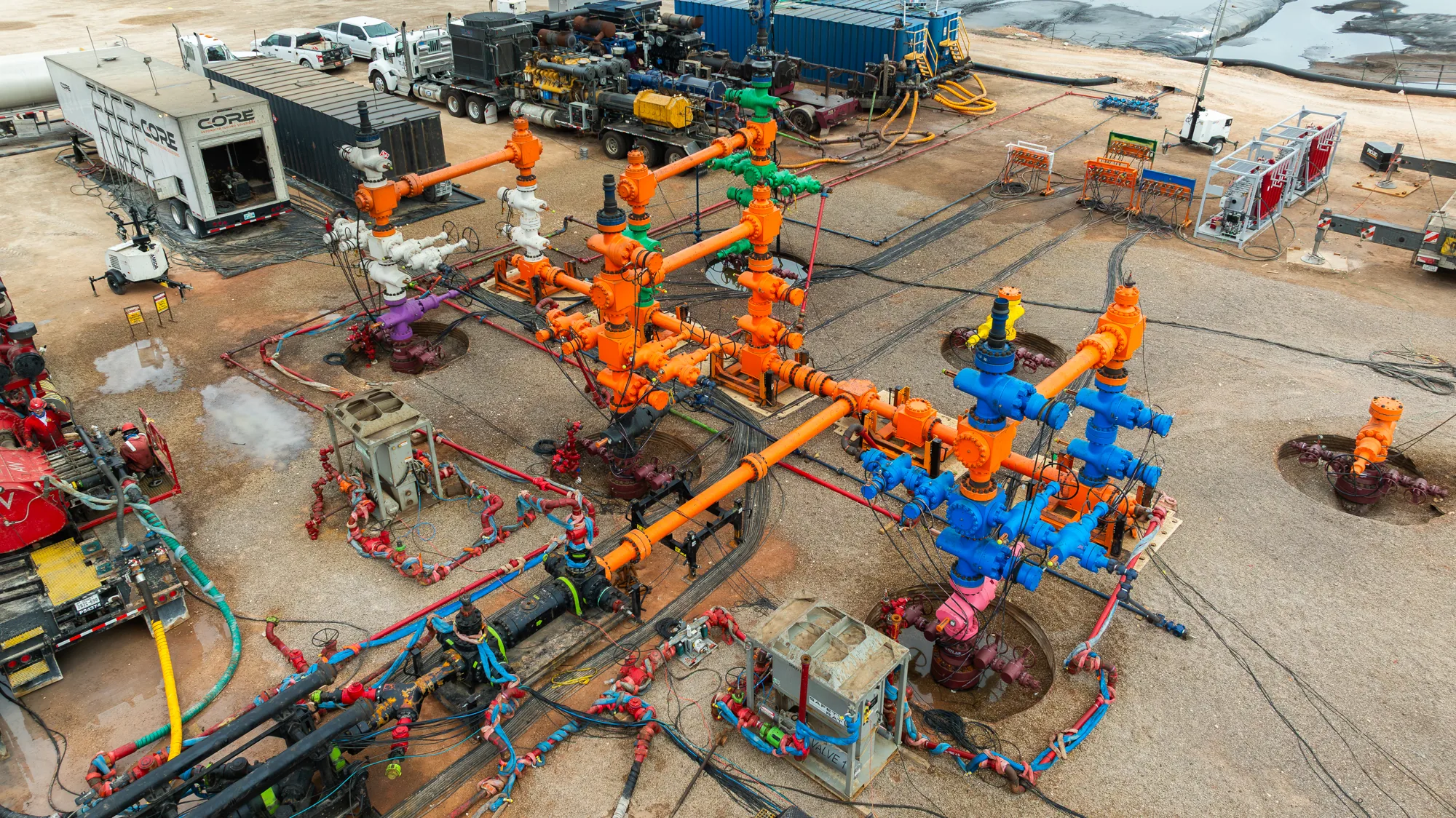
Working alongside the operator, TFS helped rethink how the pressure control system fit into the bigger operation. The surface configuration was redesigned to allow compartmentalized pumping, isolated testing, and maintenance-free operation without interrupting the rest of the pad.

Eleven days later the system proved the point.

  • No greasing
  • No shut downs
  • No crews scrambling
Predictable execution.
What We Do

Pressure control, planned as a system.

Pressure control works best when it's planned as part of the system — not dropped onto the pad after everything else is already in place.

  1. Reviewing pad layouts before the job starts.
  2. Understanding how equipment flows across the location.
  3. Coordinating with the crews and vendors who will be working around the system.
  4. Running pressure control equipment designed to stay in service — not constantly coming out for maintenance.
Where We Operate

Wherever completions happen, we're there.

Operators across the Permian, Marcellus, and Utica rely on TFS pressure control systems to support some of the most demanding completion programs in North America.

Frac jobs don't wait for perfect conditions. Wherever operators are pushing for scale, speed, and efficiency, our teams are there supporting the job.

Behind the scenes, the equipment is backed by the manufacturing and engineering teams at WOM. When something needs to move, get rebuilt, or get back in the field, it doesn't rely on a long supply chain. It's already inside the system.

  • Permian BasinMidland, TX
  • UticaOhio / PA
  • MarcellusAppalachia
  • North AmericaOn request
Video Part 3 — Philosophy
00:00 / 02:51
Philosophy

Rethinking the model.

For a long time, the industry accepted that pressure control meant constant attention.

  • Grease schedules
  • Field fixes
  • Maintenance built into the job

We think it can be done better.

So we built our systems to prove it.

Talk to a field expert.

No fluff. No sales script. Just operators helping you get control of your job.